
.png)
%20(1).png)

Moms
Under Pressure
Moms Under Pressure is funded by grants provided by the CDC to the Virginia Department of Health. The CDC awarded VDH two multi-million-dollar grants to address heart disease in the Commonwealth, named the CDC National Cardiovascular Health Program and the Innovative Cardiovascular Health Program.
The two grants established the Virginia Cardiovascular Health Program, implemented and managed by the Office of Family Health – Division of Prevention and Health Promotion.
Moms Under Pressure:
Supportive Care for High-Risk Pregnancies
Moms Under Pressure is funded by grants provided by the CDC to the Virginia Department of Health. The CDC awarded VDH two multi-million-dollar grants to address heart disease in the Commonwealth, named the CDC National Cardiovascular Health Program and the Innovative Cardiovascular Health Program. The two grants established the Virginia Cardiovascular Health Program, implemented and managed by the Office of Family Health – Division of Prevention and Health Promotion.
The Virginia Cardiovascular Health Program has united state and local partners--including Huddle Up Moms--to implement and evaluate CDC evidence-based strategies to improve blood pressure control, reduce disparities in cardiovascular disease, and connect communities at high risk for heart disease and stroke to clinical and social services.
.png)

Our Mission
Program Goals
The Moms Under Pressure program is designed to promote early detection and education for high-risk pregnancy complications, while improving communication between patients and healthcare providers.
Our primary focus is on reducing preventable maternal morbidity and improving long-term health outcomes for both mothers and babies through comprehensive support and monitoring.
Moms Under Pressure is funded through CDC Cooperative Agreement # NU58DP007460 and NU58DP007595 in partnership with the Virginia Department of Health. The content is solely the responsibility of the authors and does not necessarily represent the official views of the Centers for Disease Control and Prevention or Virginia Department of Health.

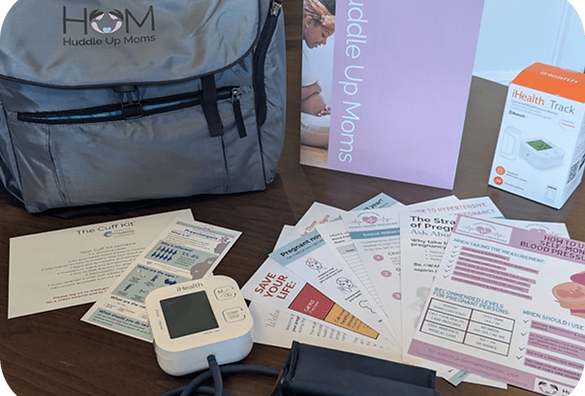
The goal of Moms Under Pressure is to increase early detection of hypertension, reduce maternal mortality, improve postpartum care, and empower women to become more educated participants in their health. Moms Under Pressure equips pregnant and postpartum moms who are with or at risk for hypertensive disorders with the education and materials needed to monitor their blood pressure.
Those who choose to enroll in this free community health intervention program will receive:
.png)
Small group peer support
Care-Coordination and navigation
Moms Under Pressure diaper bag
Connections to local resources to ensure a healthier pregnancy
Blood pressure self-monitoring for pregnant and postpartum individuals can help to:
Increase the early detection of hypertension, which is essential for preventing complications like preeclampsia, eclampsia, and HELLP syndrome. These conditions can be life-threatening for both the mother and the baby.
Reduce Maternal Mortality: Hypertension is a leading cause of maternal mortality. By keeping track of blood pressure at home, women can seek timely medical intervention if their readings are abnormal.
Improve Postpartum Care: The postpartum period is a critical time when women are at risk for high blood pressure. Regular monitoring ensures that any spikes in blood pressure are addressed promptly, reducing the risk of severe complications.
Empower Women: Self-monitoring empowers women to take an active role in their healthcare, providing them with more control over their health and well-being.
Our Focus

Early Detection & Intervention For Pregnancy Complications

Patient education and health literacy

Enhanced provider-patient communication
.png)
Reducing preventable maternal morbidity
.png)
Learn more about the conditions we support through the Moms Under Pressure program
Understanding High-Risk
Pregnancy Conditions

What is Preeclampsia?
Preeclampsia (pre-e-CLAMP-si-a) is a condition characterized by persistent high blood pressure that develops during pregnancy or the postpartum period. It may be accompanied by high levels of protein in the urine, decreased blood platelets, kidney or liver problems, fluid in the lungs, or signs of brain complications like seizures and visual disturbances....
.png)
What is HELLP Syndrome?
HELLP (Hemolysis, Elevated Liver enzymes, and Low Platelets) syndrome, as described by the Preeclampsia Foundation, is a life-threatening pregnancy complication that is typically considered a variant of preeclampsia. Both conditions tend to manifest during the later stages of pregnancy or shortly after childbirth....
.png)
What is Gestational Hypertension?
Gestational hypertension, also known as pregnancy-induced hypertension (PIH), is a condition characterized by high blood pressure that develops during pregnancy. It typically arises after the 20th week of gestation and affects around 6-8% of pregnant women. Gestational hypertension is different from chronic hypertension, as it occurs specifically....

Warning Signs of Preeclampsia
High blood pressure (140/90 or higher)
Protein in urine
Severe headaches that don't go away
Vision changes or blurred vision
Sudden weight gain and swelling in face and hands
.png)
Who is affected?
Preeclampsia affects approximately 5-8% of pregnancies. Risk factors include first pregnancy, history of high blood pressure, obesity, multiple pregnancies, and certain medical conditions.
How Moms Under Pressure Helps
Regular Monitoring
Weekly blood pressure checks and symptom tracking to catch changes early
Early Intervention
Quick identification of concerning changes and immediate provider notification
Emotional Support
Connect with others who understand your experience and concerns
Other High-Risk Conditions
We Support


Chronic Hypertension
High blood pressure that existed before pregnancy or develops before 20 weeks of pregnancy. Requires careful monitoring throughout pregnancy to prevent complications.
.png)
Gestational Hypertension
High blood pressure that develops after 20 weeks of pregnancy without protein in the urine. May progress to Preeclampsia and requires close monitoring.
Gestational Diabetes
Diabetes that develops during pregnancy, affecting how your body processes sugar. Proper management is essential for the health of both mother and baby.
Multiple Pregnancies
Carrying twins or multiples increases the risk of complications including Preeclampsia, gestational diabetes, and preterm birth.
Moms Under Pressure
Video Resource
Take a look at our organized, welcoming space designed to serve families with dignity and care.
February Is Heart Health Awareness Month - Amanda Armstrong, Nutrition Education Facilitator...


